Project FLEX-MEDIATION
Excerpt
Variability of renewable energies and intermediation with end users
Gilles Debizet, Professor (UGA, PACTE)
ANR reference : 22-PETA-0014
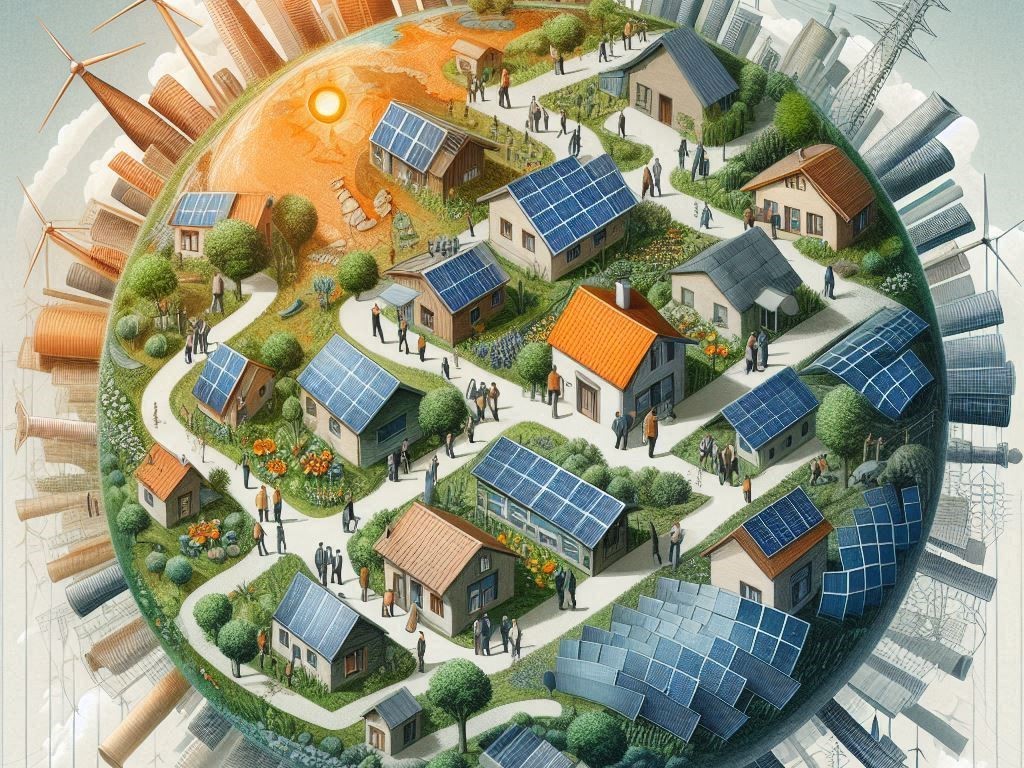
The deployment and integration of renewable energy into the electricity mix is a major challenge of the energy transition. The need to balance supply and demand in every section of the grid requires substantial efforts that grid operators cannot undertake on their own.
Unlike the interconnection of European power grids and controllable storage and generation facilities, the temporal adjustment of electricity demand requires little additional grid infrastructure. This is a socially and politically sensitive path, as electricity is central to human activities; technically complex, as automation abounds at the edges and within the power grid; and difficult to “govern,” as there are now millions of operators of generation or storage facilities who, moreover, self-consume a portion of their production.
The supplier-consumer relationship is heavily regulated by the state according to market principles set by the European Union. The FLEX-MEDIATION research project takes a different approach. It focuses on mediation efforts led by third-party organizations—working with end users—such as self-consumption collectives, citizen cooperatives, and electricity aggregators.
- How do these organizations—often newly established and local—fit into the sociotechnical system of the electricity sector?
- How is regulation evolving to address the variability of renewable energy and promote demand flexibility?
- What forms of mediation do third-party organizations implement on the ground with end users?
- What effects do they have on users’ perceptions and the temporal adjustment of their consumption?
- What considerations of energy justice inform flexibility measures and the related relationships among the aforementioned parties?
Multidisciplinary analyses of third-party organizations and their effects on end users (WP1), as well as of regulation and contractual arrangements (WP2), build a sociotechnical and trans-scalar understanding of the flexibilization of electricity demand in France.
Keywords: Energy communities, regulation, flexibilities, self-generation, resilience, justice
Tasks
Our researches
Analyze mediators and their influence on usage and end-users
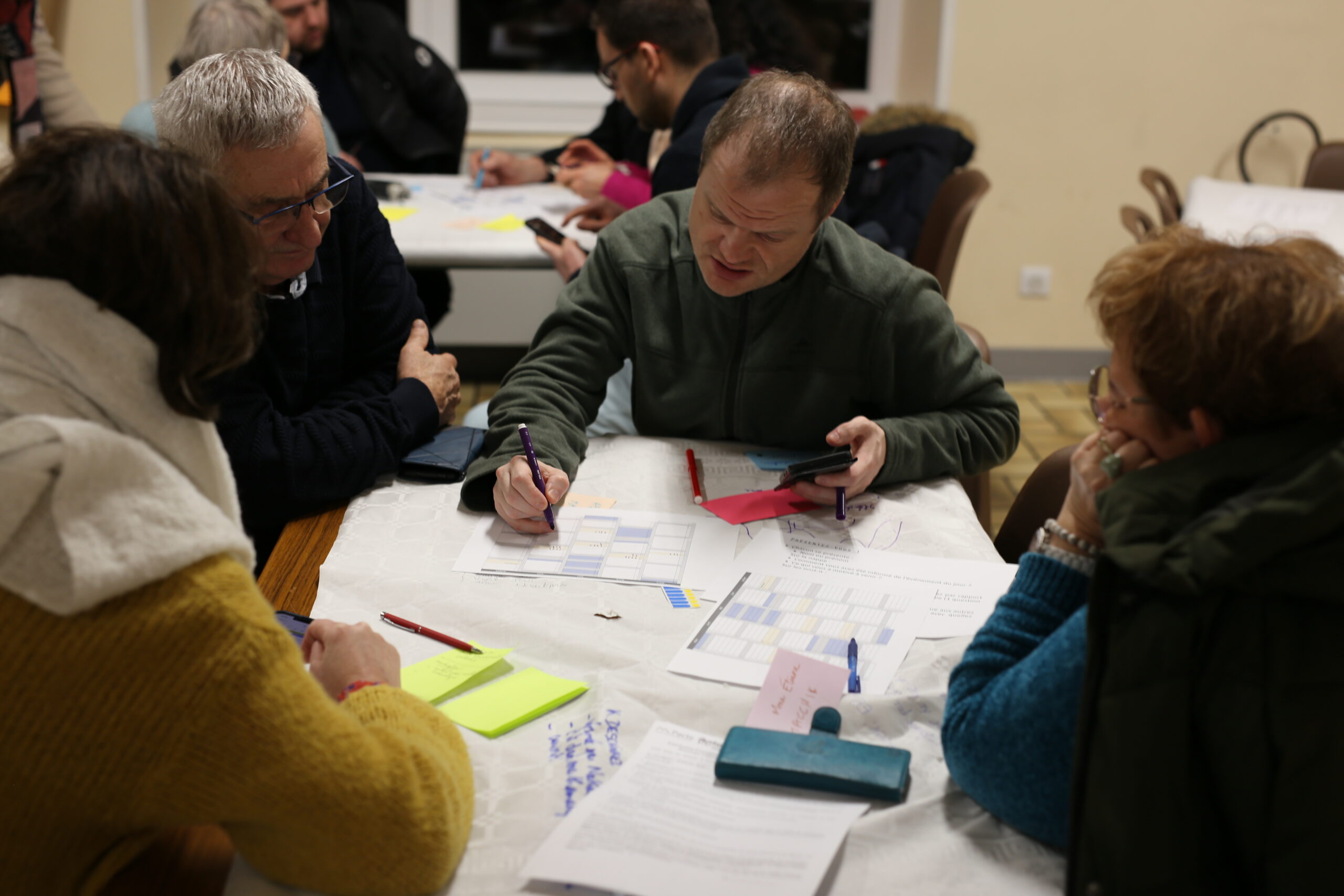
At the local level, the construction and operation of energy communities (citizen cooperatives, self-consumption collectives and aggregators) will be analyzed through the prism of sociology and geography, and then in the evaluation of end-users’ declared practices according to the nature of the mediation.
Investigate the construction of regulation and associated legal frameworks
On a national and European scale, the evolution of regulation and flexibility policies, particularly in terms of demand, will be analyzed from the dual perspective of economic sociology and legal science.
Exchange and produce knowledge, methods, data and results
The project will aim to streamline exchanges within the FLEX-MEDIATION research team, as well as to ensure data sharing, openness and dialogue between international humanities communities, TASE consortia, society and industrial R&D.
Consortium
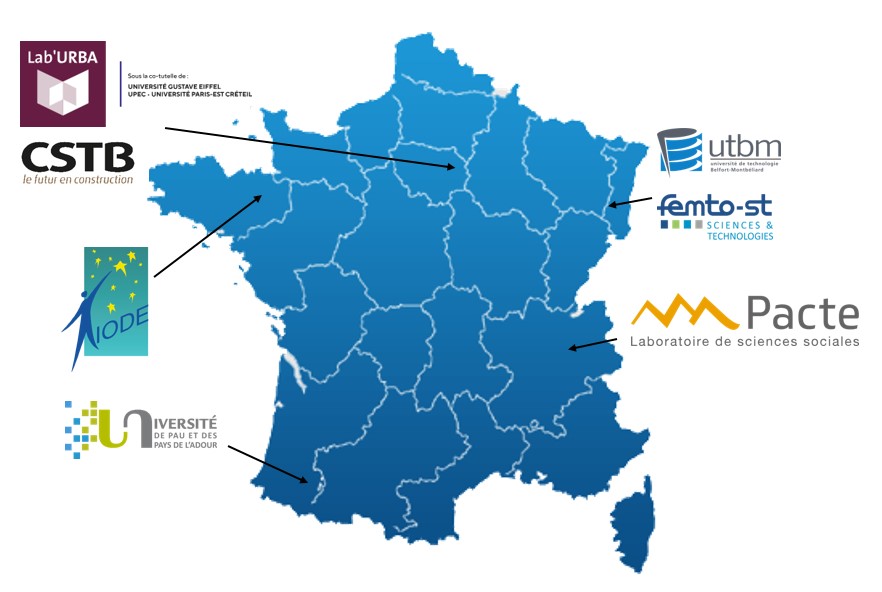
The consortium includes 3 laboratories from higher education and research establishments in the social sciences, and 2 laboratories from research organizations.
The project aims to address the following themes:
- How the meeting of several stakeholders around citizen energy projects and collective self-consumption operations takes into account issues of renewable energy, democracy and justice.
- How do end-users perceive renewable energies in different intermediation configurations?
- How flexibility is treated politically and economically by electricity regulators in France and the United States.
- How are renewable energy variability issues integrated into public contracts and regulations.
No news